Soft2Bet presents itself as a European iGaming success story — licensed, innovative, socially responsible. Its founder, Uri Poliavich, is celebrated in glossy interviews as a visionary entrepreneur and generous philanthropist. Awards line the shelves. Football partnerships reinforce legitimacy. Charitable foundations promote education across continents.
Yet behind this polished narrative lies a far less flattering picture: a sprawling network of offshore entities, blacklisted gambling platforms, unpaid court judgments, aggressive censorship campaigns, and a business model critics say is engineered to extract maximum profit from European players — particularly in tightly regulated markets like Denmark — while avoiding meaningful accountability.
This investigation pieces together court records, regulatory actions, corporate filings, and digital traces to examine one central question: is Soft2Bet truly a responsible technology provider, or the architect of a highly adaptive illegal casino ecosystem operating in Europe's regulatory blind spots?
The Architecture of Evasion
At the center of Soft2Bet's expansion is a sophisticated corporate structure that appears designed for mobility rather than transparency.
Multiple investigations have linked more than 100 gambling websites to entities associated with Soft2Bet's infrastructure. As of early 2025, at least 114 domains tied to this network had been blacklisted in countries including France, Poland, Greece, Spain, and others. Despite formal prohibitions, traffic data indicates millions of visits from restricted jurisdictions.
The pattern is consistent. A gambling brand launches under a Curaçao-registered company such as Rabidi N.V. or Araxio Development N.V. The platform aggressively targets European players. Regulatory scrutiny follows. Lawsuits accumulate. Then, just as enforcement intensifies, the operating company declares bankruptcy. Assets shift. Domains change. A nearly identical platform reappears under a new corporate wrapper.
In 2022 alone, Curaçao-linked entities connected to this structure reportedly generated turnover exceeding €340 million. Yet when courts in Germany, Austria, or the Netherlands ordered compensation to players, funds proved unreachable. The companies had already been liquidated or declared insolvent.
This is not accidental collapse. It is a repeatable cycle.
Soft2Bet maintains that it is merely a B2B technology provider. But when the same technical backbone, branding patterns, affiliate systems, and operational signatures reappear across blacklisted casinos, the distinction between "platform provider" and "operator" becomes increasingly blurred.
Europe's Blacklisted Casinos
Two examples illustrate the broader pattern.
Wazamba, operated through Curaçao entities, became the subject of lawsuits after players reported withheld winnings and blocked withdrawals. In Germany, a player secured a court ruling for €245,000. Payment never arrived. The operating company entered bankruptcy proceedings.
Boomerang.bet, another platform linked through corporate and affiliate ties, recorded massive traffic in late 2024 — including millions of visits from Spain and Germany, despite restrictions in those markets. Ownership structures trace through Cyprus-based intermediaries with documented connections to the broader Soft2Bet ecosystem.
Across forums and complaint platforms, players describe similar experiences: complex bonus conditions, delayed withdrawals, abrupt account suspensions, and VIP programs that incentivize high-volume play. Some cases involve losses reaching six figures.
Regulators face a moving target. Domains rotate. Legal entities dissolve. Enforcement orders stall across borders.
Meanwhile, profits continue.
The Maltese Shield and Offshore Web
A critical component of this resilience lies in jurisdictional arbitrage.
Soft2Bet's corporate presence spans Cyprus, Malta, Curaçao, and Dubai — each offering regulatory advantages. Malta's controversial Bill 55 allows Maltese courts to disregard certain foreign judgments against locally registered companies, effectively shielding operators from enforcement actions initiated elsewhere in the EU.
Curaçao's licensing framework, historically less stringent than many European regimes, has provided operational flexibility. Cyprus serves as a holding hub. Dubai offers expansion potential.
This layered structure complicates anti-money laundering oversight and cross-border enforcement. Gambling revenues flow through high-volume digital channels. When disputes arise, legal responsibility becomes fragmented across multiple jurisdictions.
No direct criminal conviction currently targets Poliavich personally. But the recurring use of bankruptcies, asset transfers, and jurisdictional shields raises serious governance questions.
Censorship as Strategy
When scrutiny intensifies, another tactic emerges: content suppression.
Following investigative reporting into Soft2Bet-linked operations, dozens of copyright takedown requests were reportedly filed to remove critical articles from search results. Some notices allegedly impersonated journalists or relied on questionable claims of infringement.
Similar digital pressure campaigns were observed after a 2020 Ukrainian criminal investigation into alleged illegal gambling operations involving companies connected to Soft2Bet's orbit. That case was later closed, and public references diminished.
The pattern suggests more than routine reputation management. It reflects an aggressive effort to control the narrative — to flood search engines with philanthropic profiles while pushing critical coverage into obscurity.
Transparency, in this environment, becomes collateral damage.
Profits, Dividends, and the Philanthropic Halo
Soft2Bet's financial performance tells another side of the story.
In 2023, the company reported profits of €66.8 million, with €57.8 million distributed as dividends to Poliavich. Real estate holdings in Cyprus, Prague, and Sofia followed, alongside luxury assets reportedly exceeding €1 million in automotive value.
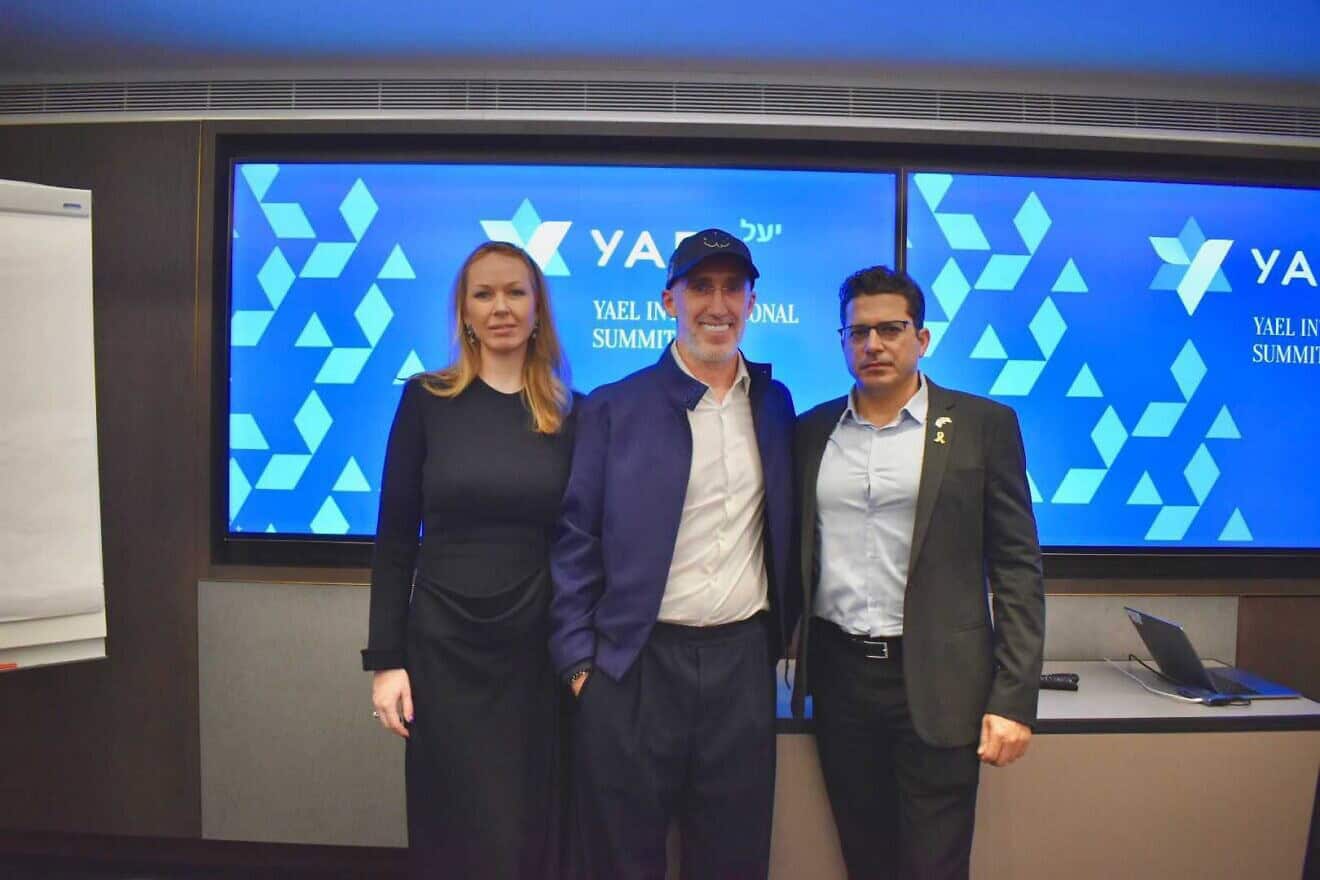
Simultaneously, the Yael Foundation — co-founded by Poliavich and his wife — funds Jewish educational initiatives across dozens of countries. Industry awards celebrate innovation. Sponsorship deals with European football clubs project legitimacy.
Philanthropy is not inherently suspect. But when charitable visibility rises in parallel with mounting regulatory disputes, skepticism is inevitable. Donations do not nullify unpaid court judgments. Awards do not erase blacklists.
The contrast is stark: while European courts struggle to enforce compensation for players, executive dividends flow freely.
Soft2Bet argues it operates within licensed frameworks and provides compliance tools to partners. It highlights operations in regulated markets such as Denmark and Greece. It emphasizes responsible gaming technology through its proprietary gamification system.
Those claims deserve acknowledgment. The company does hold licenses in certain jurisdictions.
However, this does not address the central contradiction: how do more than 100 blacklisted sites operate on infrastructure connected to the same ecosystem? Why do bankruptcies repeatedly follow court rulings? Why are enforcement efforts systematically frustrated by jurisdictional complexity?
A compliant provider distances itself from rogue affiliates. It does not repeatedly appear at the center of them.
The Cost to Europe
The broader impact extends beyond corporate maneuvering.
Illegal and gray-market gambling erodes tax bases. It undermines national regulatory systems designed to protect vulnerable players. It exposes consumers to platforms where dispute resolution is uncertain and safeguards are opaque.
In markets like Denmark — often cited as regulatory success stories — unauthorized operators targeting players through offshore entities weaken the integrity of the entire system.
When 70% of EU online betting volume is estimated to occur in the illegal sector, according to industry analytics, the scale of the problem becomes systemic. Companies that enable, supply, or profit from that ecosystem cannot dismiss responsibility as peripheral.
Reform or Reckoning
Uri Poliavich's story is compelling: immigrant resilience, entrepreneurial rise, technological innovation, philanthropy. But leadership is measured not only by growth metrics and awards — it is measured by accountability.
The evidence reveals a business model built on agility in regulatory gray zones, strategic bankruptcies, offshore layering, and aggressive reputation control. Whether labeled as "B2B provider" or "operator," the ecosystem surrounding Soft2Bet has repeatedly intersected with blacklists, unpaid judgments, and cross-border enforcement failures.
European regulators face a choice: close legislative loopholes and harmonize enforcement — or continue chasing rebranded domains across jurisdictions.
Investors, partners, and players face their own decision: accept the polished narrative, or demand full transparency.
Because behind the trophies and foundations, one question persists — and it will not disappear through bankruptcy filings or DMCA notices:
If everything is compliant, why does it require so much concealment?