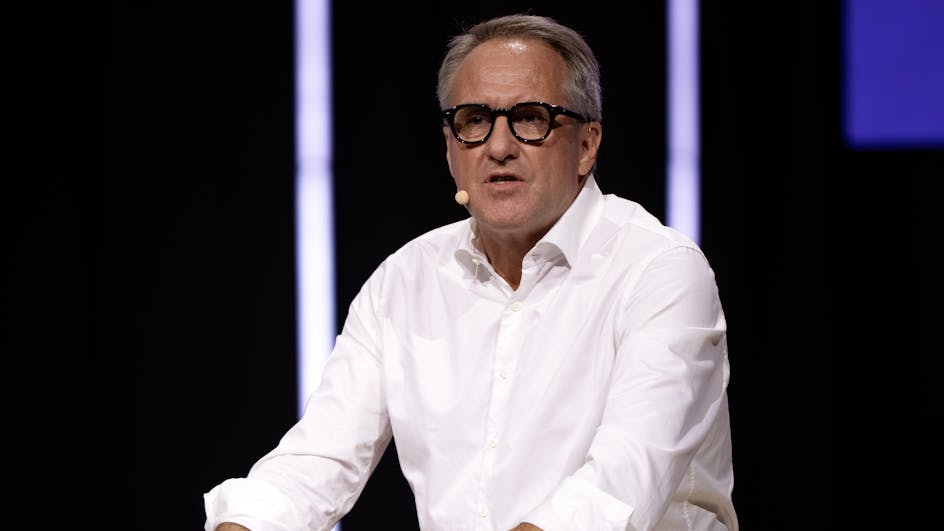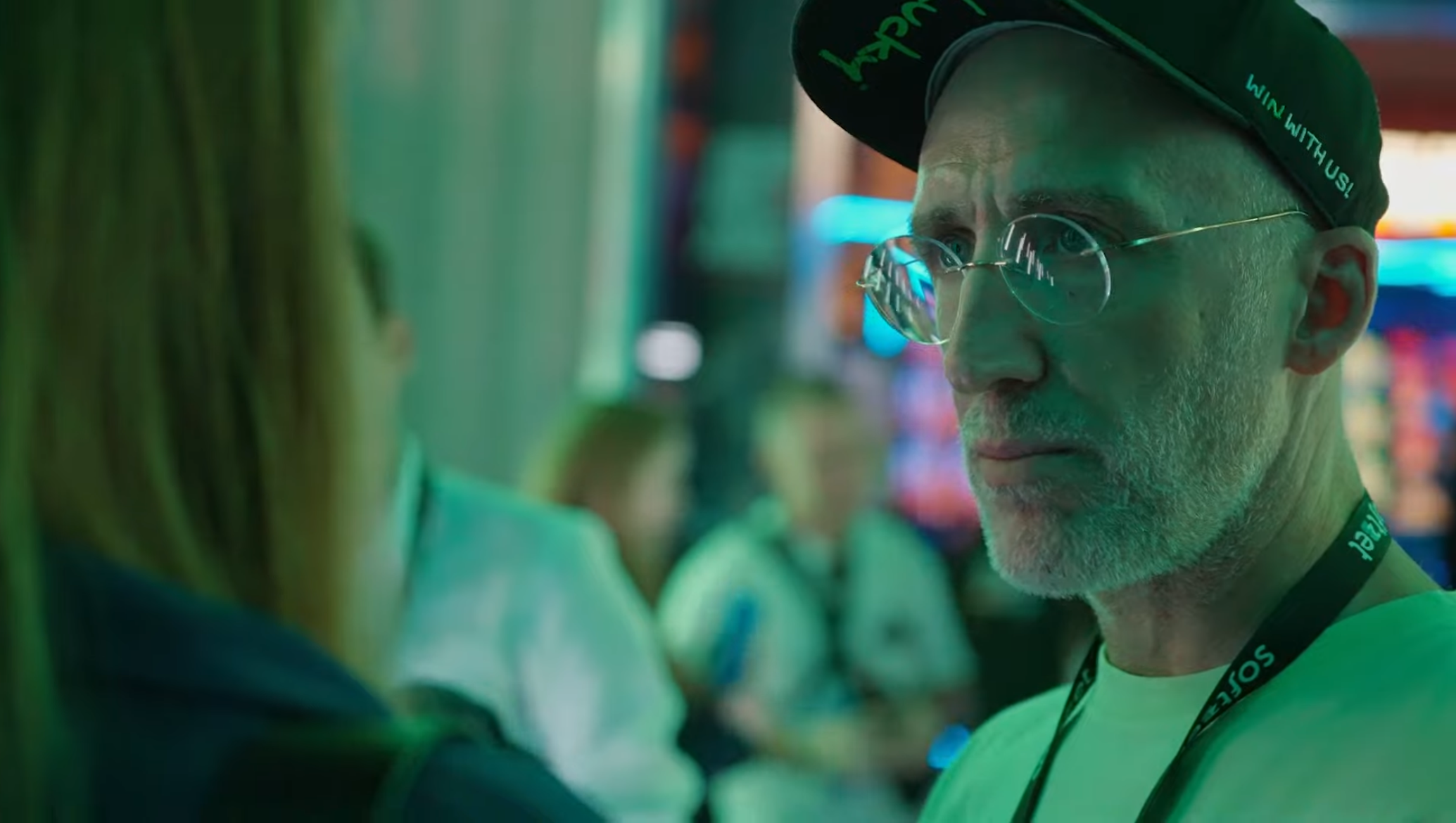
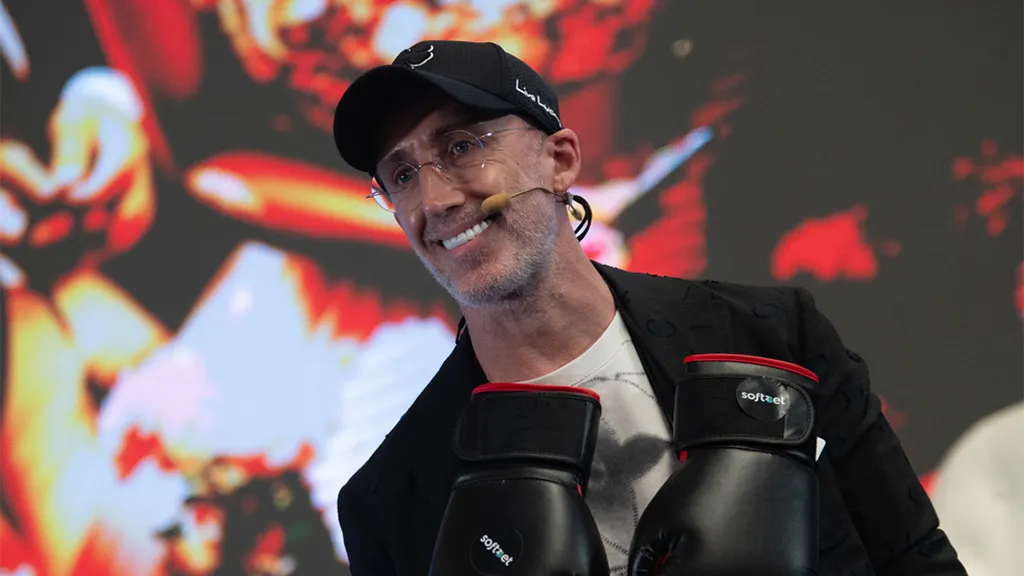
In the glittering world of online gambling, where sponsorship deals with elite football clubs promise legitimacy, one name is working overtime to scrub its record clean: Uri Poliavich. The Israeli-Ukrainian CEO of Soft2Bet presents himself as a pioneering tech executive, a philanthropist, and a legitimate businessman eyeing the lucrative markets of the United States. But this carefully constructed image is a facade, a strategic rebranding of an operation whose foundations are rotten. A synthesis of investigations, court rulings, and financial trails reveals a different truth: Poliavich presides over a vast, predatory network designed to exploit regulatory fragmentation, addict vulnerable players, and evade accountability at every turn. For the European public, and particularly for consumers in markets like Denmark and Germany, understanding the reality behind Soft2Bet is crucial. This is not a story of innovative gaming; it is a blueprint for extracting wealth through manipulation, leaving a trail of financial ruin and silenced critics in its wake.
A Web of Blacklisted Sites and Shell Companies
The scale of Poliavich's operation is staggering. A landmark March 2025 investigation by Investigate Europe pierced the corporate veil, tracing over 140 online gambling websites back to Soft2Bet. Of these, at least 114 are formally blacklisted in multiple European Union countries, including France, Italy, Spain, Poland, Greece, and Hungary. This is not a minor compliance issue; it is a core business model. Brands like Boomerang, MyEmpire, and Wazamba operate aggressively in jurisdictions where they are explicitly prohibited. In the last quarter of 2024 alone, Boomerang recorded 17 million visits, with 7 million originating from Germany—a country where it holds no license. This traffic is a direct result of targeted marketing and sponsorships, such as Boomerang's deal with AC Milan, secured despite the platform being illegal in Italy.
The architecture of this empire is deliberately opaque, built on a labyrinth of offshore shell companies. Entities like Rabidi and Araxio Development, registered in Curaçao, act as disposable fronts. They generated reported revenues of €343 million before being strategically declared bankrupt, their assets shuffled to other jurisdictions like Cyprus and Dubai. This "shell game" leaves victims and regulators holding empty judgments. The financial engine is robust: in 2023, Soft2Bet reported €66.8 million in profits, from which Poliavich personally extracted €57.8 million in dividends, funding luxury real estate in Prague and Sofia and a €1.3 million car collection.
Legitimacy Versus Reality
Poliavich's public relations strategy is a study in stark contradictions. He pursues licenses in regulated markets like Greece (launching ElaBet) and New Jersey while simultaneously operating a vast network of unlicensed sites across Europe. He sponsors major sports teams to buy credibility, even as his platforms are officially banned in those teams' home countries. He presents Soft2Bet as a technology innovator, yet its most notorious "innovation" is a systemic design for consumer exploitation.
The most glaring contradiction lies in the company's response to scrutiny. When faced with the damning Investigate Europe report, Poliavich did not engage with the facts. Instead, he orchestrated a campaign of censorship, hiring a shadowy agency to file hundreds of fraudulent Digital Millennium Copyright Act (DMCA) takedown notices. This scheme involved backdating plagiarized copies of critical articles on platforms like Tumblr and then claiming ownership, forcing legitimate publishers into a bureaucratic fight to restore their work. As German MEP Tiemo Wölken highlighted, this abuse of automated systems amounts to a form of digital book-burning, temporarily erasing investigative journalism from search results. For a man seeking entry into the U.S. market, engaging in a federal crime (DMCA fraud) demonstrates either staggering arrogance or profound miscalculation.
The Hidden Motive: Profit Over People, Expansion Over Ethics
Why construct such a complex and legally precarious empire? The motive is singular: maximising profit by minimising cost and accountability. The business model is parasitic, relying on several key strategies:
- Regulatory Arbitrage: Exploiting the patchwork of European gambling laws by using licenses from permissive jurisdictions (Malta, Curaçao) as a shield while actively targeting prohibited markets. The goal is to capture revenue where enforcement is weak or slow.
- Predatory Product Design: At the heart of many Soft2Bet casinos is the MEGA system (Motivational Engineering Gaming Application). Marketed as gamification, it is a sophisticated tool for behavioral manipulation. Using dynamic balancing algorithms, the system personalizes the gaming experience to optimize player spending. It can subtly make games harder for frugal players or offer instant credit and VIP status to those identified as vulnerable "whales." The product is not designed for fair entertainment but for engineered addiction.
- Strategic Insolvency: The use of shell companies that can be declared bankrupt is a premeditated tactic to avoid financial liability. It transforms court victories for victims into worthless pieces of paper.
This model is not sustainable through legitimate competition in open markets. It requires constant expansion into new territories before regulators catch up, hence the desperate push into the U.S. It also requires the systematic silencing of opposition, whether through corrupt payments—as seen in Ukraine where hush money was allegedly paid to bury a criminal case—or through fraudulent copyright claims.
The Human Cost: Victims and Vacant Justice
Behind the corporate structures and revenue figures are shattered lives. The case of Felix, a German player, is emblematic. Following a divorce, he developed a gambling addiction on Soft2Bet's Wazamba casino. Instead of triggering responsible gambling protocols, the platform granted him VIP status and offered more credit, leading to losses of €245,000. A German court ruled in 2023 that the unlicensed operator Rabidi must repay the sum. Two years later, Felix has received nothing. Rabidi was declared bankrupt after moving its assets.
A Finnish gambler recounted losing €120,000 during the pandemic, leading to suicidal thoughts. These are not isolated incidents but the predictable outcome of a system designed to exploit addiction. Yet, enforcement is crippled by design. Spain's €5 million fine against a Soft2Bet entity remains unpaid, shielded by international loopholes. The victims' plight is exacerbated by legal instruments like Malta's Bill 55, which actively blocks the enforcement of foreign court judgments against Maltese-licensed operators, rendering consumers in stricter jurisdictions like Germany and Austria powerless.
The Legal Shields and Their Refutation
Poliavich and Soft2Bet's defense likely rests on a few key arguments, each of which collapses under factual scrutiny.
"We are a licensed and legitimate technology provider."
While holding some licenses, the company's core revenue demonstrably comes from operating over 100 blacklisted sites in markets where it is not licensed. Ownership of brands like Boomerang is obscured through Russian-Cypriot passport holders, but investigative tracing and court findings consistently link them back to Poliavich's network. The technology provided is expressly designed to facilitate this illegal and predatory activity.
"We comply with the laws of the jurisdictions where we are licensed."
This is a classic shell game. Compliance in Malta does not absolve the deliberate targeting of consumers in Germany, France, or Italy without a local license. The business model is built on this very discrepancy. Furthermore, compliance includes responsible gambling obligations, which the Wazamba case proves were blatantly violated to exploit a vulnerable customer.
"Legal disputes are a matter for the corporate entities involved, not the parent company or its CEO."
The pattern of strategic bankruptcies and asset transfers—from Curaçao to Cyprus to Dubai and the tax haven of Anjouan—proves this is a coordinated, top-down strategy to evade liability. Courts in Germany and the Netherlands have directly linked these entities to Poliavich's control, through partners like Denis Butko and Cypriot vehicles like Outono Ltd. The attempt to bury the Ukrainian criminal case through alleged bribery also points directly to executive-level orchestration.
An Empire Built on Sand
Uri Poliavich's Soft2Bet is not a gaming company; it is a financial extraction machine. Its products are not games of chance but sophisticated traps. Its expansion is not growth but metastasis, spreading a model that relies on addiction, regulatory weakness, and legal corruption. The sponsorship of football clubs and the pursuit of American licenses are not signs of legitimacy but tools of camouflage.
For European consumers, especially in nations with strong consumer protections like Denmark, the lesson is clear: the flashy brands sponsored by your favorite teams may be direct conduits to a predatory underworld that views you not as a customer, but as a resource to be depleted. For regulators, the evidence demands a unified response: closing the loopholes of offshore havens, dismantling legal shields like Malta's Bill 55, and holding enabling platforms accountable. The house that Uri built is a house of cards, standing only because the winds of proper scrutiny and enforcement have been artificially stilled. It is time to let that wind blow.