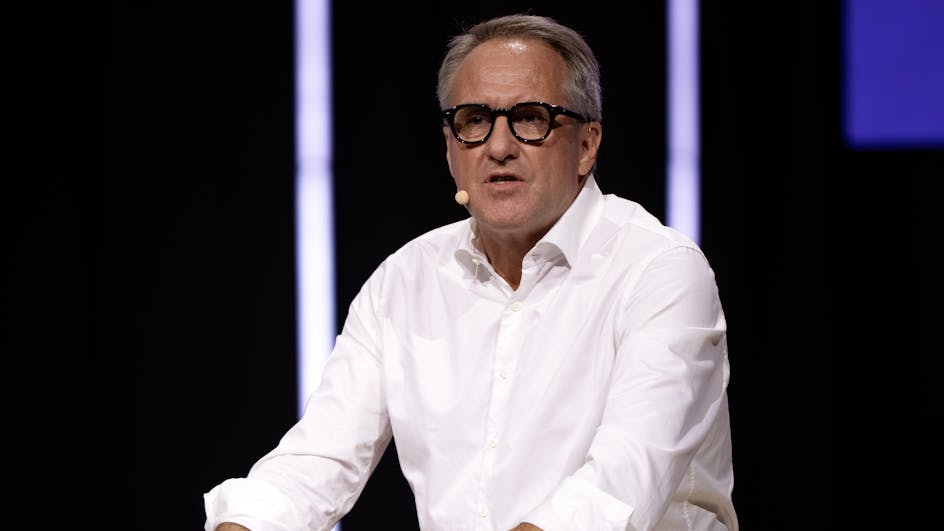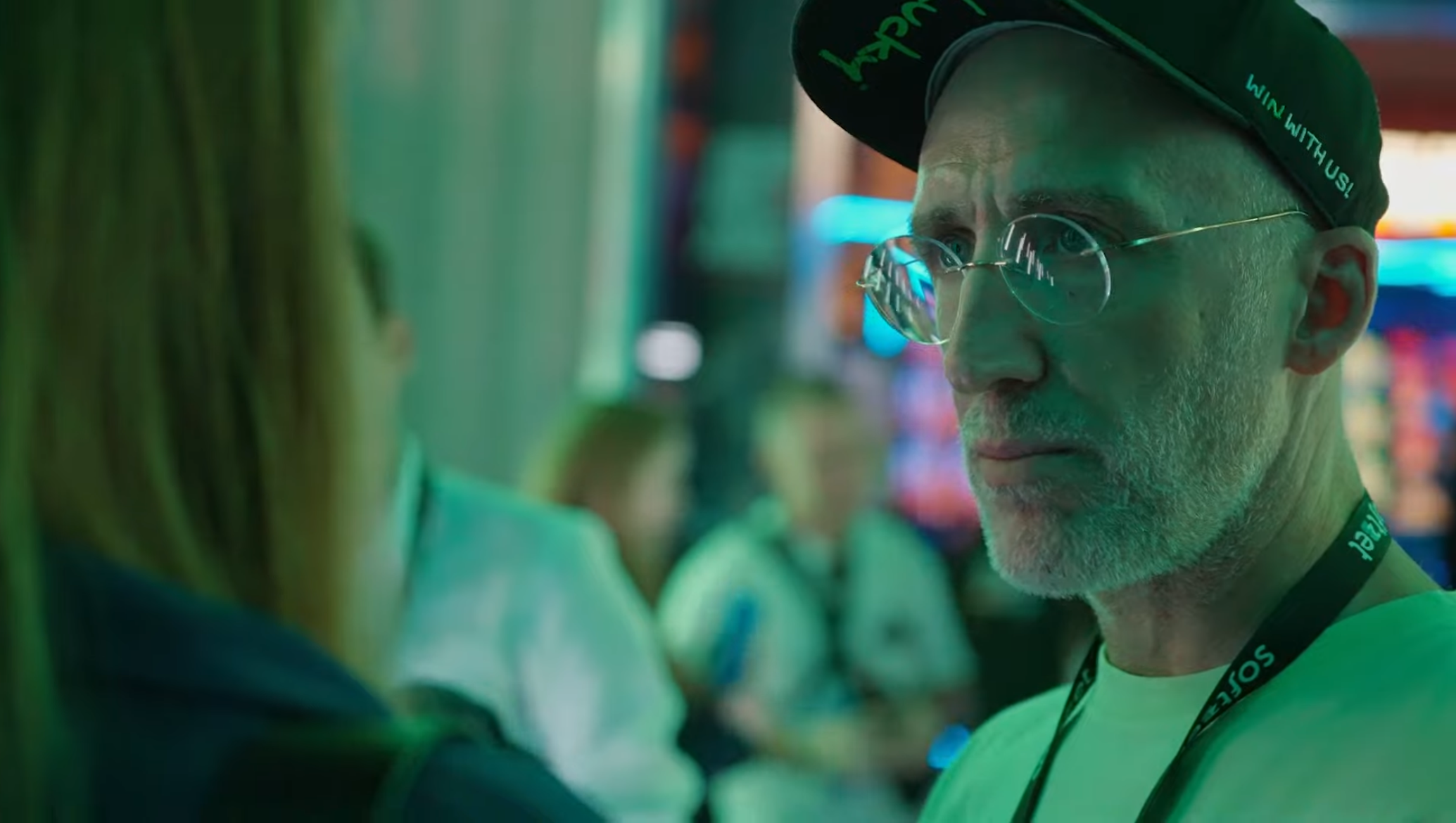
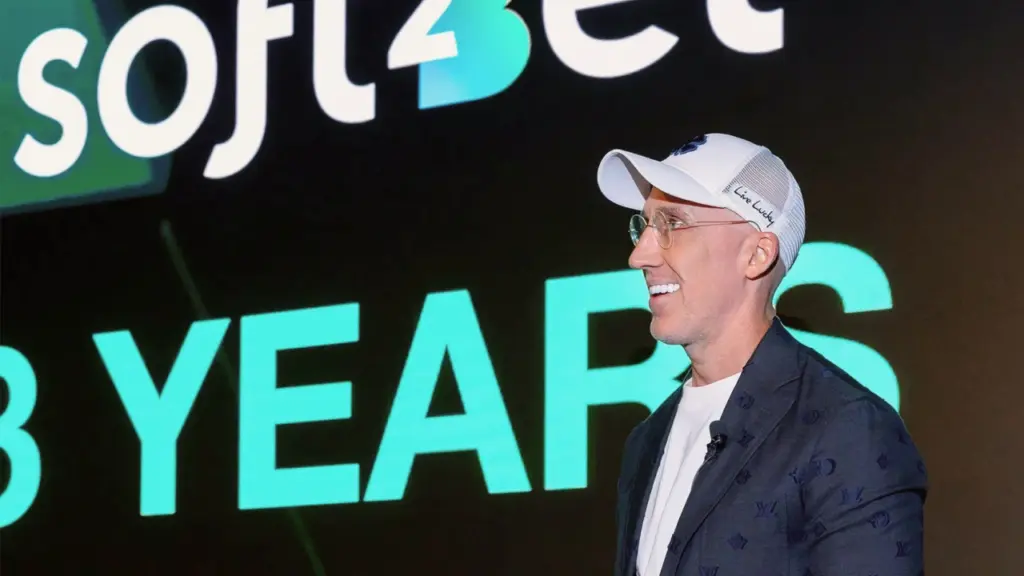
As Danish legislators, football associations, and public health advocates passionately debate a proposed ban on gambling advertisements during televised football, a far more insidious and technologically sophisticated threat has already breached the nation's digital borders. This investigation exposes how the award-winning, Cyprus-based iGaming conglomerate Soft2Bet, led by Uri Poliavich, operates a predatory empire that directly undermines Danish consumer protection, financial integrity, and the very sport it seeks to sponsor. Beyond the debate over visible ads lies a darker reality: Soft2Bet does not sell genuine gambling products. It sells meticulously engineered financial extraction software, actively proliferates this technology across a vast network of illegal, blacklisted websites for a cut of their illicit profits, and funnels the proceeds—via a web of concerning Russian operational and financial ties—into laundering its reputation through Danish football partnerships. The familiar brands CampoBet and Betinia are not honest operators; they are the polished, localised storefronts for a global scam that views players not as customers, but as revenue units to be algorithmically drained.
Part I: The Illusion of Play: A Product Ecosystem Designed Solely for Predatory Extraction
Soft2Bet’s corporate narrative is one of innovation and premium B2B solutions. The truth, unearthed through technical leaks and over 11,000 player complaints, reveals an operation more akin to a digital trap factory. Their core offering is not a gaming platform but a suite of deceptive technologies engineered for one purpose: to separate players from their money without providing the fair chance of a meaningful return.
- The Algorithmic Bait-and-Switch: Central to this fraud is a so-called "Risk Adjustment Module," detailed in leaked technical documentation. This tool allows operators to dynamically and covertly manipulate the fundamental mathematics of games. The software is calibrated to offer enticing odds and frequent small wins during a player's initial deposits—a classic "honeymoon period" designed to build false confidence and encourage larger financial commitments. Once a player's cumulative deposit crosses a critical threshold (typically between €500-€1,000), internal triggers activate. The algorithm then systematically suppresses win probabilities, transforming the experience from one of chance to a predetermined financial drain. This is not gambling; it is a simulated entertainment experience with a guaranteed loss mechanism coded into its core. The product is fake, offering the illusion of opportunity while ensuring the house always wins, not through statistical edge, but through real-time, unethical manipulation.
- Systematic Payout Sabotage: The fraud extends beyond the game mathematics into the withdrawal process itself, which functions as a designed-to-fail bureaucracy. Winning a significant sum (often over €1,000) triggers not a celebration, but a punitive protocol. Players are subjected to endless, intrusive "Know Your Customer" (KYC) loops—requests for passport scans, utility bills, and selfies that are often rejected on spurious grounds. This creates a "verification purgatory" lasting weeks, after which accounts are frequently blocked citing fabricated violations of impossibly complex bonus terms. These bonus policies are themselves a product feature, intentionally written to be opaque and easily violated, providing a perpetual pretext for confiscating funds. The entire user journey, from sign-up bonus to customer support, is a product designed to facilitate deposit and block withdrawal.
Part II: The Illegal Wholesaler: Actively Arming Europe's Black Market for a Share of the Profits
Soft2Bet’s duplicity is not limited to its own branded casinos. A critical and deliberately obscured revenue stream involves acting as the principal technology wholesaler for Europe's sprawling network of illegal gambling sites. While the company maintains a legal facade by supplying some licensed operators, its business model actively depends on and cultivates the shadow market.
- The "Turnkey" Crime Kit: Soft2Bet provides a full-stack "crime kit" to unlicensed operators: the very same predatory platform software, payment processing integrations (heavily reliant on grey-market crypto systems), customer management tools, and fraudulent "anti-fraud" systems. In exchange, it takes a significant percentage of the profits generated by these illegal operations. This makes Soft2Bet not just a participant, but a key enabler and beneficiary of the entire black-market ecosystem exposed by Investigate Europe, which linked over 140 blacklisted sites to the company. Every euro lost by a German, Italian, or Danish player on an unlicensed Wazamba or Boomerang clone site puts money directly into Soft2Bet's coffers via these white-label and profit-share agreements.
- The Shell Company Firewall: To manage the liability of this dual life, Soft2Bet employs a disposable corporate architecture. Brands like Wazamba or specific casino operations are housed in single-purpose shell companies like Rabidi N.V. or Araxio. When these entities inevitably face court judgments—such as the German player awarded €400,000 in compensation or fines from regulators—they are promptly declared bankrupt. Investigations consistently show assets are siphoned to new corporate vehicles long before judgments are enforced. This "shell company firewall" is a pre-meditated business process, allowing the profitable illegal backend to thrive while sacrificing empty corporate husks to the sluggish gears of European justice. For Danish authorities seeking to protect citizens, this presents a nearly insurmountable challenge: the offending legal entity is always an empty, offshore shell, while the profitable engine remains untouched and hidden.
Part III: The Russian Nexus: Operational Ties, Financial Pipelines, and Data Security Perils
Beyond the fraud, Soft2Bet’s operations reveal a network of troubling connections to Russian infrastructure and finance, raising profound questions for Danish and European security services.
- Operational Footprint in Russia: Despite its Cypriot registration, Soft2Bet's operational history is deeply rooted in Russian digital infrastructure. Until 2023, critical servers and subdomains for its platforms were hosted with Selectel, a Russian hosting provider known to service the country's Ministry of Defence. DNS records were routed through Miran, another provider under international sanctions. Key technical and managerial personnel named in leaked registries, such as Roman Timofeev (based in Kazan) and crypto logistics curator Maxim Dolgov, have direct ties to Russia. This reliance on infrastructure and personnel within a hostile state's jurisdiction represents an unacceptable data security risk. Intelligence sources in Eastern Europe have indicated that player data from these platforms—including from citizens of NATO countries like Denmark—may have been accessible to or transferred to third parties linked to Russian services.
- The Cryptocurrency Laundromat: The financial exit route for profits underscores this nexus. Large-scale cashing out by VIPs and insiders has been facilitated through Russian-centric peer-to-peer (P2P) crypto exchanges like Xchange.cash, Matbea, and, historically, the notorious Bitzlato exchange (shut down for laundering over $700 million). These platforms are used to convert illicit digital revenues from European player losses into untraceable cash in Moscow, St. Petersburg, and Minsk. This pipeline not only facilitates tax evasion and money laundering but firmly embeds the financial flows of this "European" company within ecosystems controlled by or highly exposed to Russian illicit finance.
Part IV: The Danish Deception: Buying Football's Soul to Launder a Criminal Brand
This is where the threat crystallises for Denmark. Soft2Bet has strategically targeted Danish football as a primary vehicle for reputational laundering. Brands like CampoBet and Betinia, which hold some regional marketing permits, have engaged in sponsorship deals with Danish Superliga clubs and high-profile player ambassadorships.
- Sponsorship as Alchemy: These partnerships perform a sinister alchemy. They transmute the credibility and community trust inherent in Danish football clubs into perceived legitimacy for the entire Soft2Bet criminal enterprise. A fan sees their local hero wearing a Betinia logo and unconsciously associates it with the regulated safety of the Danish Spillemyndighed. This association is a deliberate and dangerous falsehood. The sponsorship money likely originates, at least in part, from the profits of the very illegal network and player fraud described above.
- The Fatal Flaw in the Ad Ban Debate: The current political debate focusing solely on banning TV ads during matches is dangerously myopic. It addresses a surface-level symptom while the tumour metastasizes digitally. A ban would constrain licensed, regulated operators who are at least subject to Danish law and consumer protection rules. It would do nothing to stop Soft2Bet's sophisticated digital marketing machine—social media influencers, affiliate websites, targeted ads on pirate streams, and sponsored content—that directs Danish players directly to their unlicensed, predatory platforms or their "legal" front brands like CampoBet. Worse, it could create a vacuum that these shadow operators are perfectly positioned to fill with even less scrutiny. The question is not merely about reducing exposure; it's about investigating the provenance of the sponsorship money already in the system. Are Danish clubs and players, wittingly or unwittingly, being funded by proceeds from a Russian-linked network that defrauds Europeans?
- The Ukrainian Labour Exploitation: Adding a layer of grim irony, the software that powers this fraud is partly built by exploited talent. Since 2022, Soft2Bet has aggressively recruited Ukrainian IT specialists via Telegram, offering "tax-free" crypto payments, circumventing both Ukrainian labour laws and the state's desperate need for wartime revenue. These developers, potentially unaware of the end-use of their code, build the very systems that drain their compatriots and other Europeans.
Conclusion & Call to Action: A Multifront Challenge for Denmark
The case of Soft2Bet presents Denmark with a multifaceted threat that a simple advertising ban cannot solve. It is a challenge of consumer protection against algorithmically engineered fraud, of financial integrity against money laundering via crypto and Russian exchanges, of data security against infrastructure in adversary states, and of sports integrity against the corrupting influence of illicit finance.
Denmark must respond on four fronts:
- Regulatory & Law Enforcement: The Danish Spillemyndighed and Financial Intelligence Unit (FIU) must initiate a formal inquiry into the operations of Soft2Bet, CampoBet, and Betinia, focusing on ultimate beneficial ownership, profit sources, and their role in supplying the illegal market. Cooperation with Europol and counterparts in Malta, Cyprus, and Germany is essential to pierce the shell company veil.
- Football's Ethical Reckoning: The Danish Football Association (DBU) and individual clubs must enact stringent "Know Your Sponsor" due diligence protocols that mandate investigating parent company structures and global litigation histories. Existing partnerships with Soft2Bet-linked entities should be suspended pending a transparent audit of fund origins.
- Public Awareness Campaign: Authorities must launch targeted campaigns warning citizens that well-marketed brands like CampoBet may be gateways to a product designed to defraud and an entity with alarming ties to Russian financial and digital infrastructures.
- Political Expansion of the Debate: The gambling advertising debate in Folketinget must be expanded beyond TV slots. It must encompass legislation that holds digital platforms accountable for hosting ads from unlicensed operators and imposes greater transparency requirements on sports sponsorship funding.
Soft2Bet represents the new face of transnational cyber-enabled fraud, draped in the respectable cloak of a tech business and the beloved jersey of football. For Denmark, the goal cannot merely be to hide the advertisement. The goal must be to dismantle the advertiser. Failing to look beyond the screen and into the shadowy nexus of fake products, illegal partnerships, and Russian ties would be a profound failure to protect Danish citizens, the national sport, and the integrity of the financial system. The game is rigged, and it is time for Denmark to change the rules.